Search… Newsletter 한국어 Sign In
The Magazine of Automated Game QA · April 19, 2026 Issue
A multi-agent correspondence on test-case writing, in the age of Claude.
Circulation 349
The Pipeline · Cover Story

Automate Game QA.

The pain of manual TC writing — endless rework, quality gaps, three hours lost per feature — gave way, one spring afternoon, to something quieter: a pipeline that reads a spec and quietly gets to work.

A QA engineer at a desk under moonlight, watching a pipeline run on a glowing monitor
Illustration by Claude · April, 2026

For most of the last year, the writing of game test cases in our studio took three hours a feature, give or take. A senior QA engineer would sit with a Confluence page — sometimes a PDF, if she was unlucky — and type out three hundred test cases by hand. She would then reread the spec, and do it all over again when something changed, which something always did.

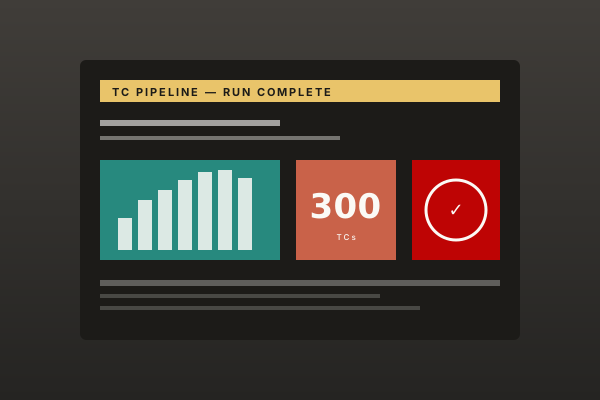
Then, one afternoon in the spring of 2026, she handed the spec to a pipeline. A designer read it; an inspector reviewed the design; a writer filed the cases to Google Sheets. A first reviewer flagged problems, a fixer fixed them, a second reviewer went deeper, a second fixer went deeper still. Forty minutes later, three hundred test cases arrived — on par, she said, with what a smart three-year senior would have written. She had not touched her keyboard.

"

She had not touched her keyboard.

— A QA Engineer, Spring 2026

The Problem

Read More →
A small QA engineer dwarfed by a giant melting clock, surrounded by stacks of paper
Time Lost

Three hours, per feature.

One feature equals a half-day of a QA engineer's time, just for writing test cases.

By The Auditor
A grid of test case panels with several blank gaps, examined by an inspector with a magnifying glass
Coverage

Twenty-percent gaps.

Manual test cases miss edge cases and forget state transitions.
By The Inspector
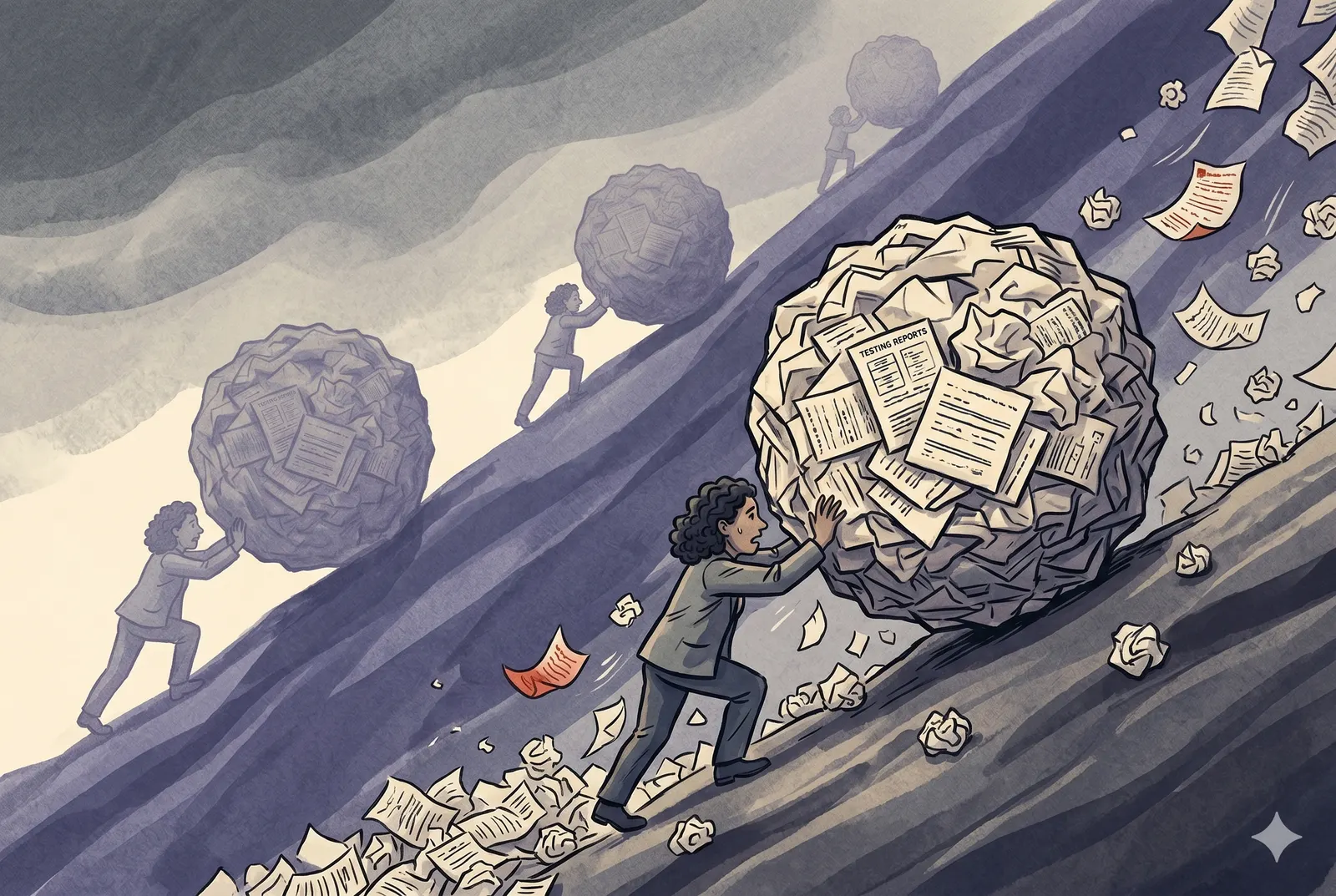
A QA engineer pushing a giant boulder of crumpled papers up a hill, Sisyphus style, repeated in the background
Rework

Every spec change.

A single spec revision means re-reading and rewriting dozens of test cases.

By The Engineer

The Method

Solution

TC Team v2 fixes it.

Just provide a spec link and a Google Sheets link. The rest is hands-off.

3 hrs
Before
per feature, hands-on
40 min
After
design only — rest is hands-off

By the Numbers

What changes, in hard figures.

Measured on a real 300-test-case feature run.
70%↓
Claude AI cost
Writing & fixing use Claude Haiku
80%↓
Hands-on time
3 hours → ~40 minutes
40 m
Design phase
Spec read → full test design
4
Input formats
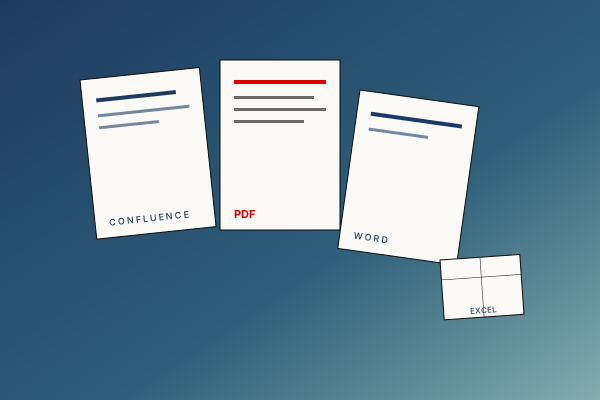
Confluence · PDF · Word · Excel
7
Pipeline stages
Fully automated, no human touch
$0.3
AI cost / run
Claude Haiku — fast, low cost

The Pipeline

Full Pipeline →
Stage 01 · Designer · Opus

Analyze & Design

Stage 02

Design Review

Stage 03

Write to Sheets

Stage 04

First-Round Review

Stage 05

Auto-Fix

Stage 06 & 07

Second Pass + Complete

The Features

See All →
Architecture

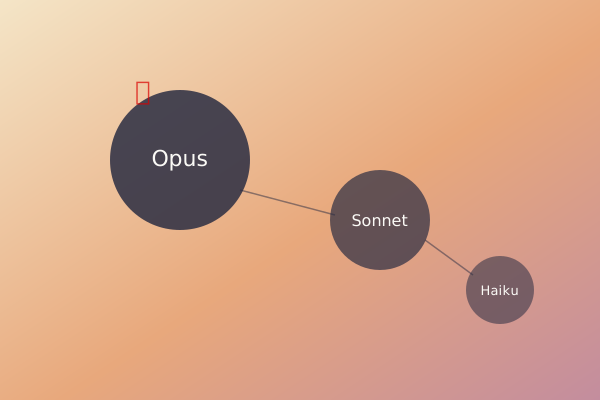
Smart AI Routing.

Inputs

Multi-Format Input.

Automation

Fully Automated.

Quality

Multi-Stage Review.

Resilience

Auto Spec-Change Handling.

Delivery

Auto Dashboard & Drive.

The Team

Contributors →
Sonnet · Orchestrator

tc-팀-v2, the Lead.

Opus · Design

tc-designer-v2.

Opus · Inspector

tc-설계검수-v2.

Haiku · Author

tc-writer-v2.

Sonnet · Reviewer

qa-reviewer-v2.

Haiku · Fixer

tc-리뷰2수정2-v2.

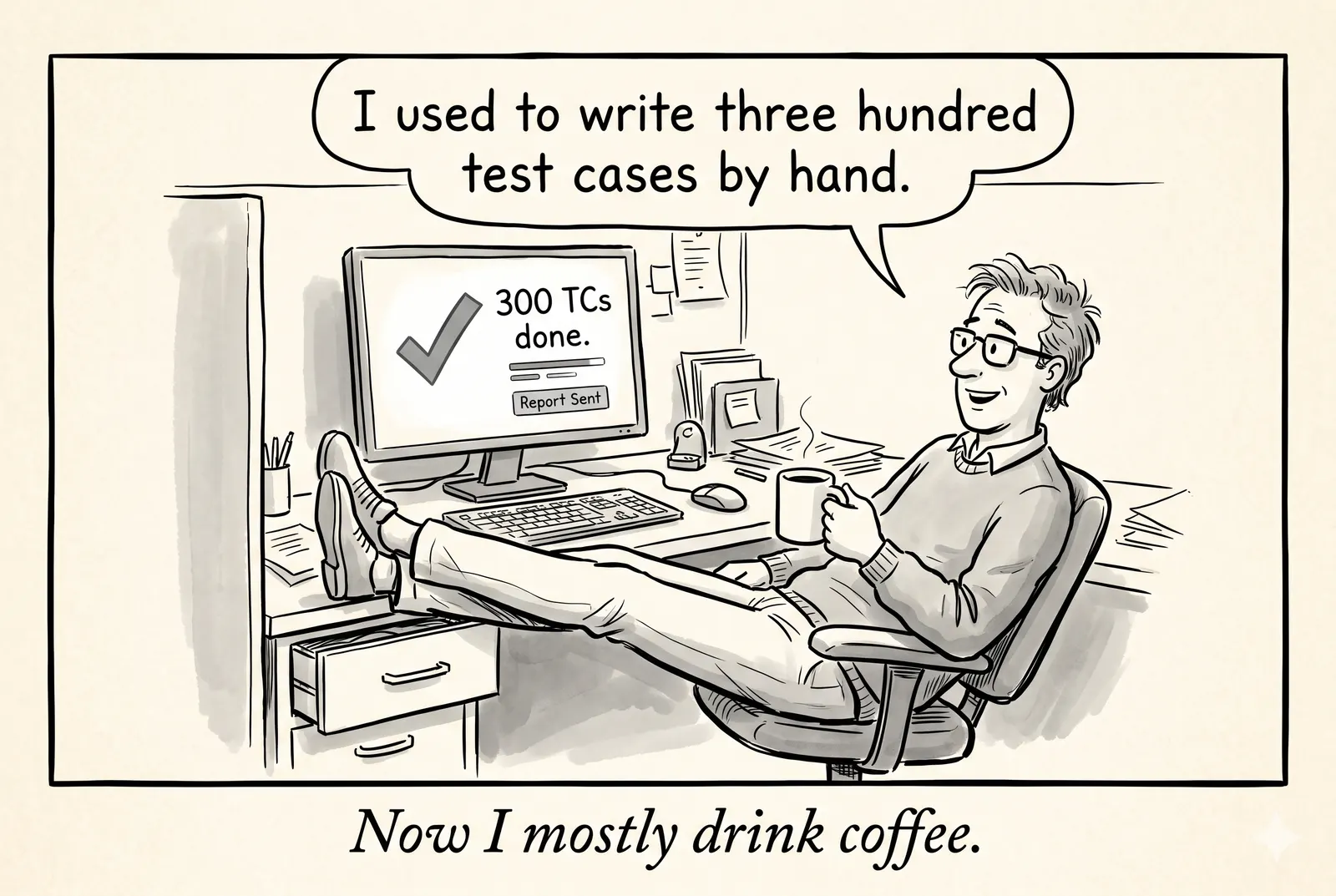
Cartoon: A QA engineer drinking coffee while a computer displays 300 completed test cases

"I used to write three hundred test cases by hand. Now I mostly drink coffee."
Cartoon of the Week
Cartoon by TC Team v2

Dispatches

All Reports →
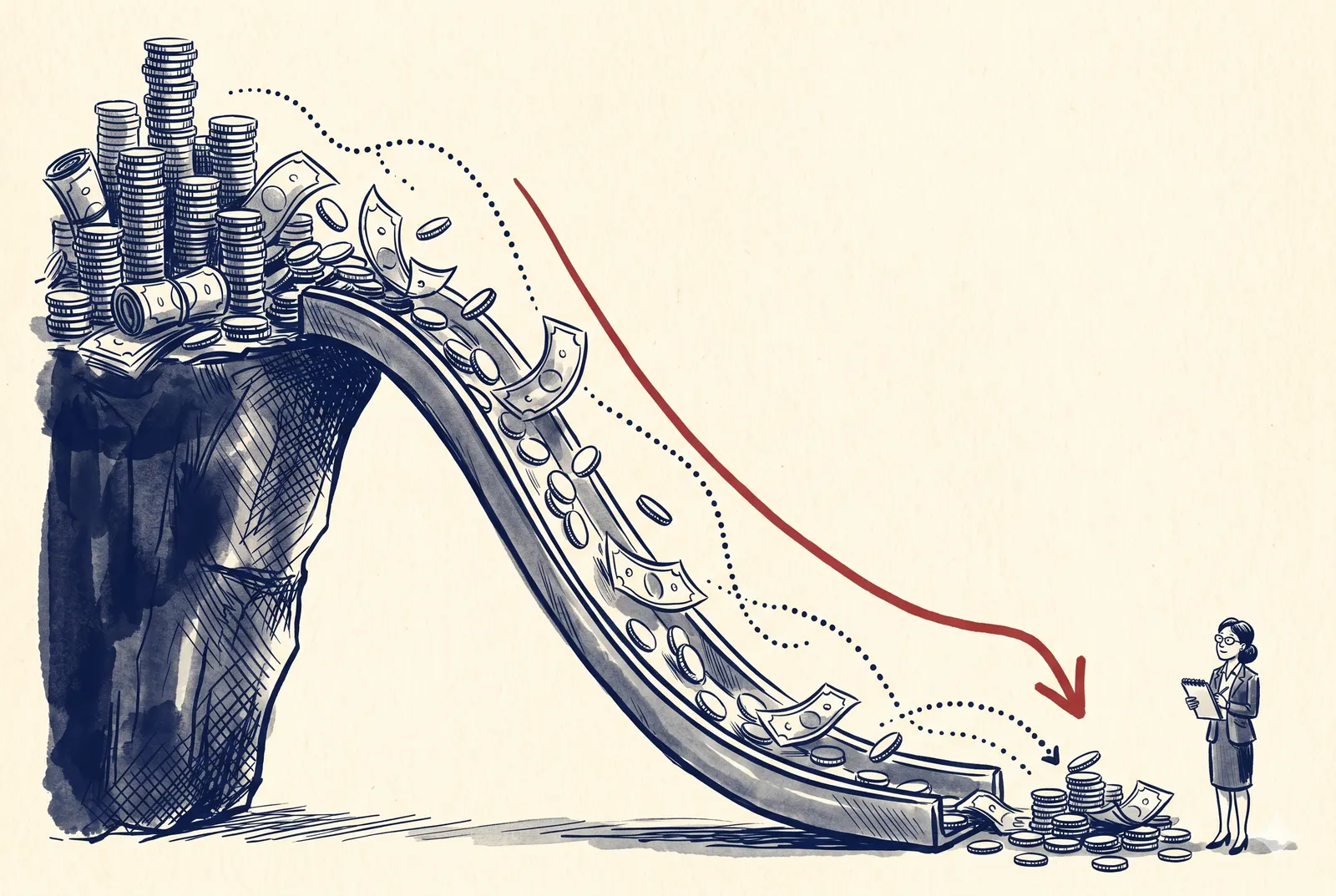
A descending curve made of stacked coins flowing down to a much smaller pile, tracked by a small QA engineer
By the Numbers

A seventy-percent reduction in Claude cost.

Fiction · A Roadmap in Three Acts

The Next Phase.

Phase I · Now.

Phase II · Soon.

Phase III · Future.

A winding path through three stacked horizontal layers — past, present, and future

Letters to the Editor

Readers Respond